


Electronic airbag system

The Helite electronic airbag
State-of-the-art on-board technology
The Helite electronic system uses two complementary detection units that communicate in real time to ensure 36o degrees of protection for the rider:
Collision Detection Unit (CDU): Integrated directly into the airbag vest to analyze rider and motorcycle movements.
Sensor Detection Unit (SDU): An optional fork sensor installed on the motorcycle to instantly detect impacts.
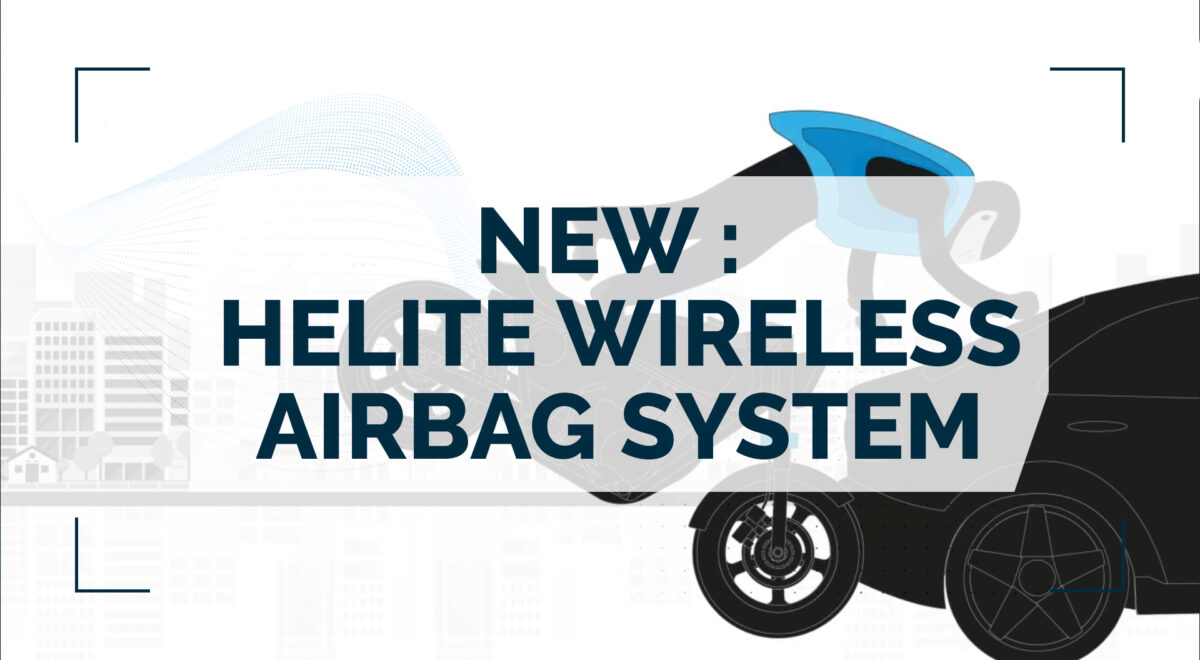
The CDU the Vest Sensor. It has multiple sensors allowing the crash detection integrated right into the airbag vest itself. It analyzes if the pattern of the movement represents a risk case scenario.
-

-

-

-

-


MULTI-SOURCE DETECTION
When used together, the CDU and SDU cross-reference information in real time for the fastest, most comprehensive coverage.
The Advantage: The more data sources the system has, the more accurately it analyzes the situation.
The Result: This multi-source combination detects a greater number of accident scenarios regardless of orientation, including low-speed and stationary impacts.
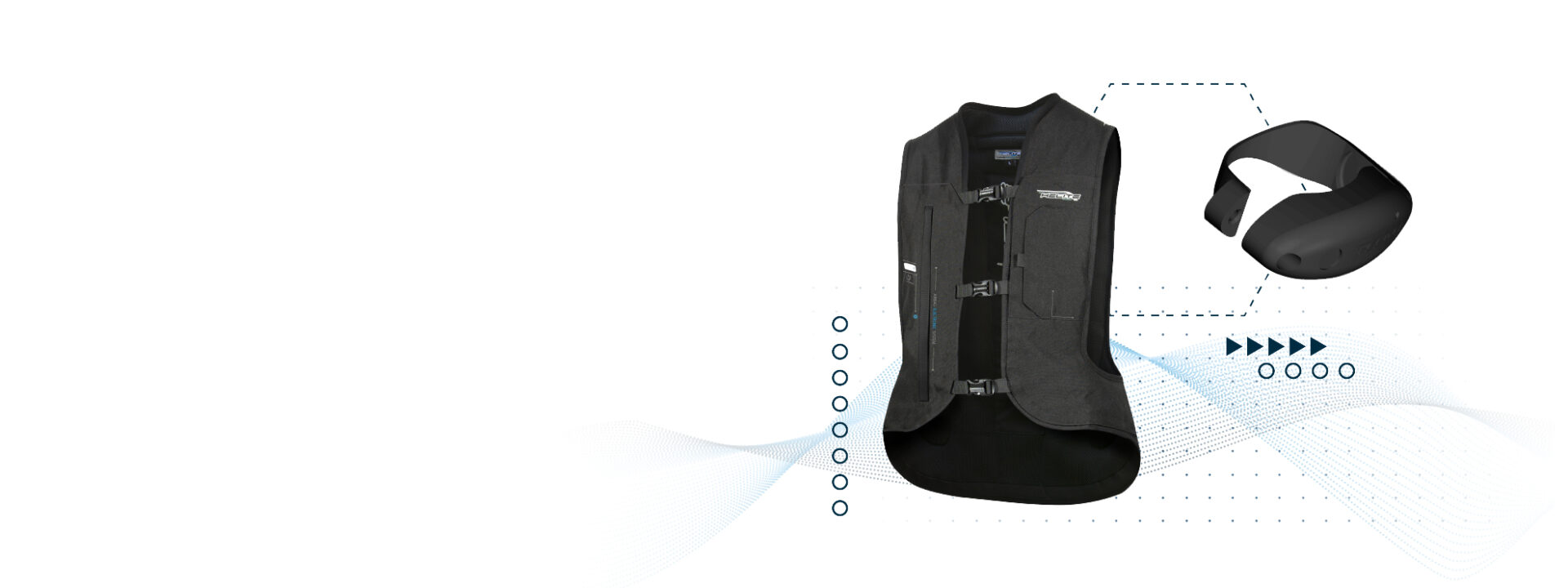
THE VEST AND THE FORK SENSOR
This combined setup (CDU + SDU) represents the most advanced level of protection offered by Helite.
How it Works: In a collision, a motorcycle absorbs the initial energy before the rider moves. While the vest sensor waits for rider movement, the SDU identifies the impact directly on the bike’s fork for faster deployment.
Best For: Street and road riding (intersections, city traffic, commuting).
What It Detects: Slips, slides, high/low-sides, PLUS frontal/side impacts, head-on collisions, and being hit while completely stopped.
Specs: The SDU easily attaches to the front fork, requires no recharging, and has a 5-year battery life.
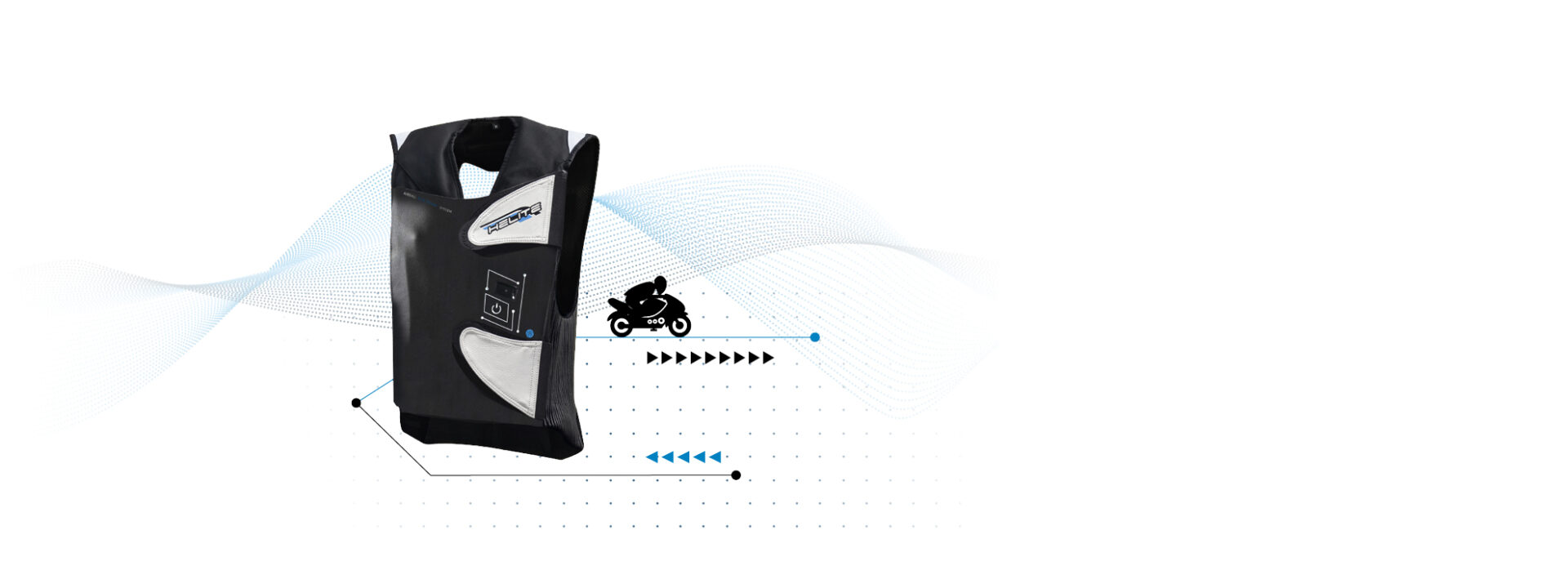
ONLY VEST
The vest can be used completely on its own as a standalone system.
How it Works: The embedded CDU uses advanced algorithms and multiple sensors to continuously analyze rider movements and activate the airbag during a fall or collision.
Best For: Track and racing! On the circuit, collisions with other vehicles or stationary obstacles are rare, making the standalone vest ideal for sports use.
What It Detects: Slips, slides, low-sides, and high-sides (situations where the rider is actively thrown or sliding).
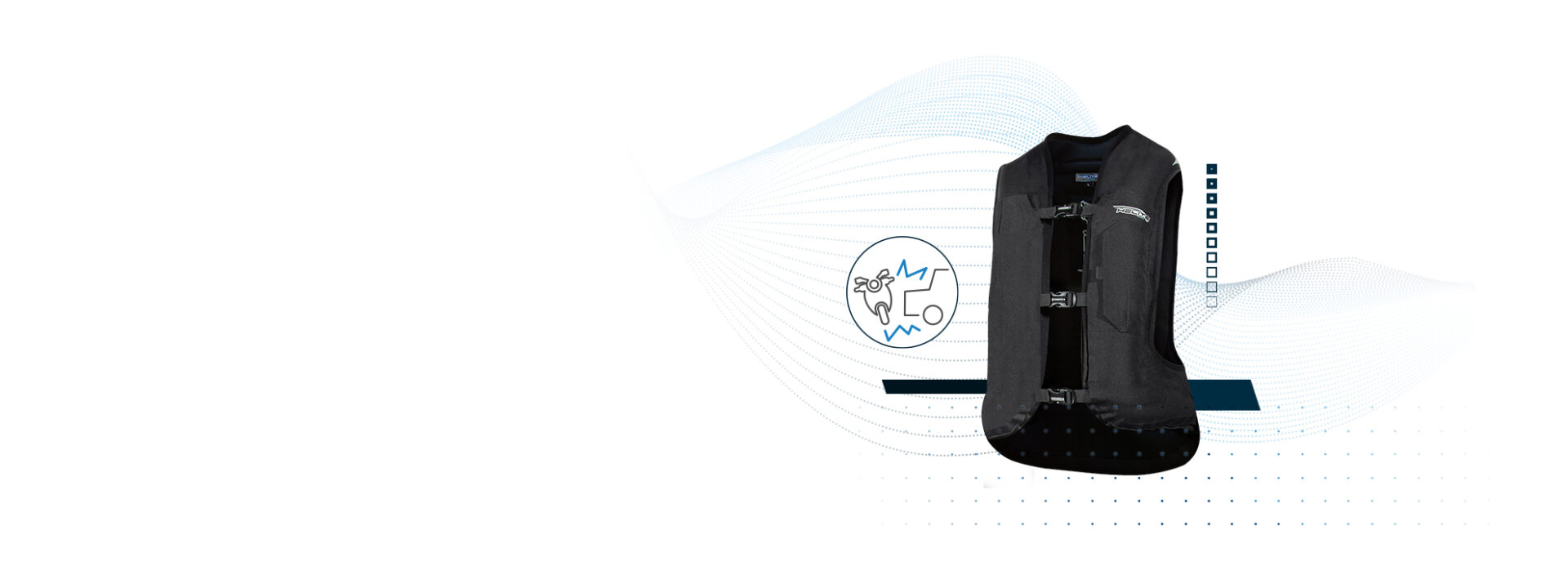
ACCIDENTS DETECTED BY SDU
On the road, the main risks are collisions with vehicles or fixed obstacles where a rider’s body doesn’t react instantly to the shock. The dual-system setup maximizes detection across these specific scenarios:
Collisions: Frontal impacts, side impacts, and head-on collisions.
Everyday Hazards: Car cutting you off, refusal of right-of-way, and traffic light accidents.
Low Speed: Accidents occurring at very low speeds or when completely stationary (0 km/h), such as being rear-ended at a standstill.

TESTING - RESEARCH & DEVELOPMENT
The system’s performance was evaluated by Union Technique de l’Automobile (UTAC), an independent European reference body specializing in safety technologies.
In a frontal impact test against a stationary vehicle, the detection and deployment times clearly demonstrate the advantage of motorcycle-mounted sensors:
UTAC Test Results (Frontal Impact into a Stopped Vehicle):
SDU Fork Sensor: 31 ms (Fastest detection)
CDU Vest Sensor: 62 ms
Autonomous Competitor Airbag: 95 ms